
Introduction to the Iconic Leaning Tower of Pisa
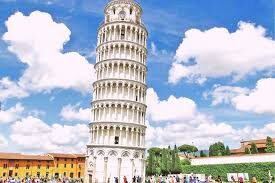
The Leaning Tower of Pisa is one of the most recognizable landmarks in the world, famous for its unintended tilt and remarkable architectural design. Located in the historic city of Pisa, this iconic structure attracts millions of visitors each year who come to witness its unique appearance and rich historical significance.
Often referred to simply as the Pisa Tower, this architectural wonder is not just a tourist attraction—it is a symbol of resilience, engineering ingenuity, and medieval craftsmanship. Despite its tilt, the tower has stood the test of time for centuries and continues to captivate travelers from around the globe.
Historical Background of the Pisa Tower
The construction of the Leaning Tower of Pisa began in 1173 during a period when Pisa was a powerful maritime republic. The tower was intended to serve as the freestanding bell tower (campanile) for the nearby Pisa Cathedral.
However, problems began almost immediately. The soft, unstable soil beneath the structure caused the tower to start leaning during the early stages of construction. Work was halted for nearly a century due to wars and financial difficulties, which unintentionally allowed the soil to stabilize.
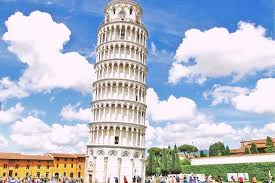
When construction resumed in the 13th century, engineers attempted to compensate for the tilt by building upper floors at a slight angle. Despite their efforts, the lean continued, giving the tower its famous appearance.
The tower was finally completed in the 14th century, taking nearly 200 years to finish.
Architectural Design and Structure
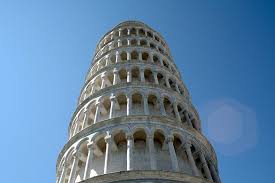
The Leaning Tower of Pisa is a masterpiece of Romanesque architecture. Standing approximately 56 meters tall, it consists of eight levels, including the chamber for the bells at the top.
Key Architectural Features
- Material: Primarily constructed from white and grey marble
- Shape: Cylindrical structure with a hollow interior
- Columns: Surrounded by elegant arcades of columns on each level
- Staircase: A spiral staircase of 294 steps leads to the top
The tower’s tilt, which once reached over 5 degrees, has been reduced through restoration efforts and is now stable at about 4 degrees.
Why Does the Pisa Tower Lean?
One of the most fascinating aspects of the Leaning Tower of Pisa is its tilt. The leaning began due to a combination of factors:
- Soft Foundation Soil: The ground consists of clay, sand, and shells
- Shallow Foundation: The foundation is only about 3 meters deep
- Uneven Settling: One side of the structure sank more than the other
Over time, engineers implemented stabilization techniques to prevent collapse. Modern restoration efforts have successfully ensured that the tower will remain safe for at least another 200 years.
Restoration and Preservation Efforts
By the 20th century, the tilt of the tower had become a serious concern. In 1990, the tower was closed to the public to undergo extensive restoration work.
Major Restoration Techniques
- Removing soil from beneath the higher side
- Installing counterweights
- Strengthening the foundation
- Stabilizing the structure with cables
These efforts successfully reduced the tilt and ensured the tower’s long-term stability. The tower was reopened to visitors in 2001.
Cultural and Historical Significance
The Leaning Tower of Pisa is more than just a quirky landmark—it is a UNESCO World Heritage Site located in the Piazza dei Miracoli, also known as the Square of Miracles.
This area includes several important structures:
- Pisa Cathedral
- Pisa Baptistery
- Camposanto Monumentale
Together, these monuments represent some of the finest examples of medieval architecture in Europe.
The Role of Galileo Galilei
The famous scientist Galileo Galilei is often associated with the Leaning Tower of Pisa. According to legend, he conducted experiments here by dropping objects of different masses from the tower to study gravity.
Although historians debate the accuracy of this story, it has become an enduring part of the tower’s legacy.
Visitor Experience at the Pisa Tower
Visiting the Leaning Tower of Pisa is a once-in-a-lifetime experience. Travelers can explore the tower, climb to the top, and enjoy panoramic views of the city.
Climbing the Tower
Visitors are allowed to climb the tower, but there are some important details:
- Only a limited number of people are allowed at a time
- Tickets must be booked in advance
- Children under a certain age may not be permitted
The climb itself is an adventure, as the tilt of the tower is noticeable while ascending the spiral staircase.
Best Time to Visit
The best time to visit Pisa is during:
- Spring (April to June): Pleasant weather and fewer crowds
- Autumn (September to October): Mild temperatures and scenic views
Summer can be crowded, while winter offers a quieter experience.
Photography and Tourist Activities
One of the most popular activities at the Leaning Tower of Pisa is photography. Tourists often take creative photos pretending to:
- Hold up the tower
- Push it back into place
- Lean against it
The open green lawns of Piazza dei Miracoli provide the perfect setting for capturing memorable images.
Nearby Attractions in Pisa
While the tower is the main attraction, Pisa offers many other fascinating places to explore:
Pisa Cathedral
The Pisa Cathedral is a stunning example of Romanesque architecture with intricate details and impressive interiors.
Pisa Baptistery
The Pisa Baptistery is the largest baptistery in Italy, known for its acoustics and unique design.
Camposanto Monumentale
The Camposanto Monumentale is a historic cemetery believed to contain sacred soil from the Holy Land.
Arno River
The Arno River flows through Pisa, offering scenic views and charming walking paths.
How to Reach Pisa Tower
Pisa is well-connected to major cities in Italy and Europe.
By Air
The nearest airport is Pisa International Airport, located just a few kilometers from the city center.
By Train
Pisa has excellent rail connections to cities like:
- Florence
- Rome
- Milan
By Road
Travelers can also reach Pisa by car or bus, making it an easy day trip destination.
Travel Tips for Visitors
To make the most of your visit, consider the following tips:
- Book tickets in advance to avoid long queues
- Visit early in the morning for fewer crowds
- Wear comfortable shoes for climbing
- Respect the rules and preservation guidelines
Interesting Facts About the Leaning Tower of Pisa
- The tower took nearly 200 years to complete
- It was never intended to lean
- The tilt has been partially corrected
- It is one of the most photographed landmarks in the world
- It has survived earthquakes and wars
The Tower in Popular Culture
The Leaning Tower of Pisa has appeared in numerous films, books, and artworks. Its unique structure makes it a symbol of Italy’s rich cultural heritage.
From postcards to movies, the tower continues to inspire creativity and fascination worldwide.
Why You Should Visit the Leaning Tower of Pisa
Visiting the Leaning Tower of Pisa is not just about seeing a famous landmark—it’s about experiencing history, architecture, and culture all in one place.
Whether you are a history enthusiast, architecture lover, or casual traveler, the tower offers something for everyone.
Conclusion
The Leaning Tower of Pisa stands as a testament to human ingenuity and perseverance. Despite its structural challenges, it has become one of the most beloved landmarks in the world.
A visit to this iconic tower is an unforgettable experience, offering a perfect blend of history, beauty, and wonder. Whether you’re planning a trip to Italy or simply exploring its cultural treasures, the Leaning Tower of Pisa should undoubtedly be at the top of your travel list.