
Tour of the Taj Mahal – A Complete Travel Guide
Introduction to the Timeless Wonder
The Taj Mahal stands as one of the most breathtaking monuments ever created, symbolizing eternal love, architectural brilliance, and cultural richness. Located in Agra, this ivory-white marble mausoleum attracts millions of visitors from across the globe every year.
Built by the Mughal emperor Shah Jahan in memory of his beloved wife Mumtaz Mahal, the Taj Mahal is not just a monument—it is an emotion carved in stone. Whether you’re a history enthusiast, architecture lover, or traveler seeking beauty, a tour of this iconic landmark promises an unforgettable experience.
The History Behind the Taj Mahal
The Love Story That Inspired a Masterpiece
The story of the Taj Mahal begins with the deep love between Shah Jahan and Mumtaz Mahal. Mumtaz Mahal died during childbirth in 1631, leaving the emperor heartbroken. To honor her memory, he commissioned the construction of the Taj Mahal in 1632.
It took approximately 22 years and over 20,000 artisans to complete the structure. Skilled craftsmen from across Asia contributed to its intricate design, blending Persian, Islamic, and Indian architectural styles.
Mughal Architecture at Its Peak
The Taj Mahal represents the pinnacle of Mughal architecture. It combines elements from Persian, Ottoman, and Indian traditions, resulting in a harmonious and symmetrical design that has fascinated architects and historians for centuries.
Architectural Marvel of the Taj Mahal
The Main Mausoleum
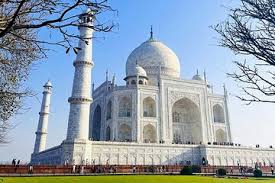
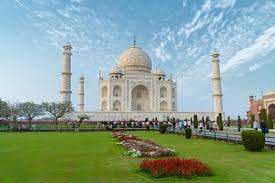
The central structure of the Taj Mahal is built entirely of white marble and features a large dome surrounded by four smaller domes. The symmetry of the monument is one of its most striking features.
The Minarets
Four tall minarets stand at each corner of the platform, slightly tilted outward to protect the main tomb in case of an earthquake.
Intricate Marble Inlay Work
The walls are decorated with semi-precious stones such as jade, turquoise, and lapis lazuli, forming beautiful floral patterns. This technique is known as Pietra Dura.
Calligraphy and Verses
The Taj Mahal features verses from the Quran inscribed in black marble, adding spiritual depth to its beauty.
Visual Beauty of the Taj Mahal
The Taj Mahal changes color throughout the day—pinkish in the morning, milky white in the evening, and golden under moonlight. This magical transformation makes it a photographer’s paradise.
Best Time to Visit the Taj Mahal
Seasonal Guide
- Winter (October to March): The best time to visit due to pleasant weather
- Summer (April to June): Extremely hot, not ideal for long tours
- Monsoon (July to September): Offers lush surroundings but occasional rain
Time of Day
- Sunrise: Least crowded and most peaceful
- Sunset: Offers dramatic lighting for photography
- Full Moon Nights: Special viewing sessions provide a magical experience
How to Reach the Taj Mahal
By Air
The nearest airport is in Agra, but most international travelers arrive via Delhi.
By Train
Agra is well-connected to major cities like Delhi, Jaipur, and Mumbai.
By Road
You can travel via the Yamuna Expressway, which offers a smooth and fast route from Delhi.
Entry Information and Timings
- Open: Sunrise to Sunset (Closed on Fridays)
- Entry Fee: Varies for domestic and international tourists
- Night Viewing: Available during full moon nights
Exploring the Taj Mahal Complex
The Main Gate (Darwaza-i-Rauza)
The grand entrance sets the tone for the beauty that lies ahead. It perfectly frames the Taj Mahal, offering the first breathtaking view.
The Gardens (Charbagh)
The lush gardens are divided into four sections, representing paradise as described in Islamic texts.
The Reflecting Pool
A long water channel reflects the Taj Mahal, creating a perfect mirror image.
The Mosque and Guest House
Two red sandstone buildings flank the main mausoleum—one is a mosque, and the other is a guest house.
Cultural Significance of the Taj Mahal
The Taj Mahal is not just a monument; it is a UNESCO World Heritage Site and one of the New Seven Wonders of the World. It represents India’s rich history and cultural diversity.
It has also become a global symbol of love and devotion, inspiring poets, artists, and filmmakers.
Photography Tips for Visitors
- Visit early morning for soft lighting
- Use reflections from the water channels
- Capture symmetry from the main gate
- Try night photography during full moon
Travel Tips for a Smooth Tour
What to Wear
- Comfortable clothing
- Light colors for better photos
- Sunglasses and hats in summer
What to Carry
- Water bottle
- Camera or smartphone
- Valid ID
What Not to Bring
- Large bags
- Food items
- Tripods (restricted in some areas)
Nearby Attractions in Agra
Agra Fort
A UNESCO World Heritage Site that served as the main residence of Mughal emperors.
Mehtab Bagh
A garden complex offering stunning sunset views of the Taj Mahal from across the Yamuna River.
Fatehpur Sikri
An ancient city built by Emperor Akbar, known for its historical architecture.
Local Food and Shopping Experience
Famous Foods in Agra
- Petha (a sweet delicacy)
- Mughlai cuisine
- Street snacks like chaat
Shopping Spots
- Marble handicrafts
- Leather goods
- Traditional jewelry
The Taj Mahal at Night
Night viewing of the Taj Mahal is a rare and magical experience. The monument glows under the moonlight, offering a serene and romantic atmosphere.
Environmental Concerns and Preservation Efforts
Due to pollution and environmental factors, the Taj Mahal has faced discoloration over the years. The Indian government has taken several steps to preserve its beauty, including restricting industrial activities nearby and promoting eco-friendly tourism.
Why the Taj Mahal is a Must-Visit Destination
The Taj Mahal is more than just a tourist attraction—it is a masterpiece that tells a story of love, loss, and artistic excellence. Its timeless beauty continues to captivate hearts and minds.
Whether you’re visiting for history, photography, or romance, a tour of the Taj Mahal will leave you with memories that last a lifetime.
Conclusion
A visit to the Taj Mahal is a journey into the past, where love and artistry come together to create something truly extraordinary. From its fascinating history to its stunning architecture and serene surroundings, every aspect of the Taj Mahal makes it one of the most cherished landmarks in the world.
If you ever plan a trip to India, make sure the Taj Mahal is at the top of your list—it’s an experience you simply cannot miss.