
Introduction to a Timeless Genius
Few names in history evoke as much wonder and admiration as Leonardo da Vinci. Known for his unparalleled contributions to art, science, engineering, and anatomy, Leonardo remains one of the most influential figures of the Renaissance. A visit to the Leonardo da Vinci Museum offers a unique opportunity to explore his extraordinary mind through interactive exhibits, working models, and immersive displays.
Located in the historic center of Rome, this museum is more than just a collection of artifacts—it’s a journey into the imagination of a true visionary.
Why Visit the Leonardo da Vinci Museum in Rome?
A Unique Cultural Experience
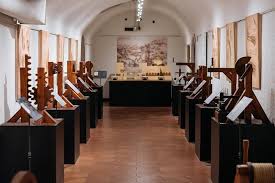
The Leonardo da Vinci Museum stands out for its hands-on approach to learning. Unlike traditional museums, it allows visitors to interact with models based on Leonardo’s original sketches.
Key Highlights
- Life-size machine replicas
- Interactive exhibits for all ages
- Educational insights into Renaissance innovation
- Central location in Rome
This museum is perfect for families, students, and anyone curious about how genius takes shape.
The Life and Legacy of Leonardo da Vinci
Early Life and Education
Leonardo da Vinci was born in 1452 in Vinci, Italy. From a young age, he showed remarkable talent in drawing, observation, and problem-solving.
Renaissance Influence
Leonardo thrived during the Renaissance, a period of immense cultural and intellectual growth in Europe.
Areas of Expertise
- Painting
- Engineering
- Anatomy
- Architecture
- Physics
His ability to blend art with science set him apart from his contemporaries.
Exploring the Museum’s Layout
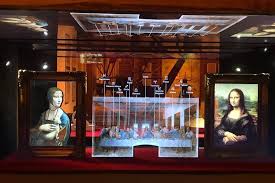
The Leonardo da Vinci Museum is thoughtfully organized into thematic sections that reflect different aspects of Leonardo’s genius.
Main Sections
- Engineering and Mechanics
- Flight and Aviation
- Anatomy and Human Studies
- Art and Perspective
Each section provides a deep dive into Leonardo’s multidisciplinary approach.
Engineering Marvels and Inventions
Leonardo’s Mechanical Genius
One of the most fascinating aspects of the museum is its collection of machines based on Leonardo’s designs.
Notable Inventions
- Flying machines
- Hydraulic pumps
- Military devices
- Gear systems
These models demonstrate how far ahead of his time Leonardo truly was.
Interactive Learning
Visitors can operate some of the machines, gaining a hands-on understanding of basic mechanical principles.
The Dream of Flight
Leonardo’s Vision of Aviation
Long before modern airplanes, Leonardo da Vinci envisioned human flight.
Exhibits to Explore
- Ornithopters (bird-like flying machines)
- Parachute designs
- Helicopter prototypes
These inventions highlight Leonardo’s deep study of nature and motion.
Artistic Masterpieces and Techniques
Leonardo as an Artist
Although the museum focuses on his inventions, it also showcases his artistic brilliance.
Famous Works
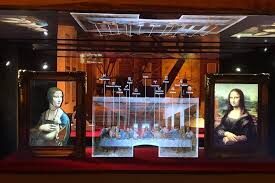
- Mona Lisa
- The Last Supper
Techniques Introduced
- Sfumato (soft blending of colors)
- Chiaroscuro (contrast of light and shadow)
These innovations revolutionized Renaissance art.
Anatomy and the Human Body
Scientific Exploration
Leonardo’s anatomical studies were groundbreaking.
What You’ll Learn
- Detailed sketches of muscles and organs
- Early understanding of human physiology
- Connection between art and science
His work laid the foundation for modern anatomy.
The Renaissance Context
A Time of Innovation
The Renaissance was a period of rediscovery and creativity across Europe.
Leonardo’s Role
Leonardo da Vinci played a central role in shaping this era through his interdisciplinary approach.
Interactive Exhibits for All Ages
Hands-On Experience
The Leonardo da Vinci Museum is designed to engage visitors of all ages.
Activities Include
- Operating mechanical models
- Solving engineering puzzles
- Exploring digital displays
This makes learning both fun and memorable.
Educational Value of the Museum
For Students and Researchers
The museum serves as an excellent educational resource.
Learning Outcomes
- Understanding basic engineering principles
- Appreciating Renaissance innovation
- Exploring interdisciplinary thinking
It bridges the gap between history and modern science.
Location and Accessibility
Where It’s Situated
The Leonardo da Vinci Museum is centrally located in Rome, making it easy to include in your itinerary.
Nearby Attractions
- Pantheon
- Piazza Navona
- Trevi Fountain
You can combine your visit with other iconic landmarks.
Best Time to Visit
Seasonal Recommendations
- Spring: Pleasant weather and moderate crowds
- Autumn: Comfortable temperatures
- Winter: Fewer tourists
- Summer: Peak season with longer hours
Early mornings or late afternoons are ideal for a quieter experience.
Tips for Visitors
- Book tickets in advance
- Allocate at least 1–2 hours
- Visit with a guide or audio tour
- Bring a camera
Planning ahead enhances your experience.
Photography and Memorabilia
Capturing the Experience
The museum offers many photo opportunities.
Souvenirs
- Educational books
- Miniature models
- Art prints
These items make great keepsakes.
Family-Friendly Environment
Why Families Love It
- Interactive exhibits
- Educational content
- Engaging activities for children
It’s a perfect destination for a family outing.
Comparing Traditional Museums vs Interactive Museums
| Feature | Traditional Museums | Leonardo da Vinci Museum |
|---|---|---|
| Interaction | Limited | High |
| Learning Style | Passive | Active |
| Audience | Adults | All ages |
This museum stands out for its immersive approach.
Cultural Significance
Preserving Genius
The Leonardo da Vinci Museum plays a vital role in preserving and showcasing Leonardo’s legacy.
Global Influence
His ideas continue to inspire scientists, artists, and innovators worldwide.
Booking Your Visit
What to Look For
- Skip-the-line tickets
- Guided tours
- Family packages
Booking online is recommended for convenience.
Frequently Asked Questions
How long does the visit take?
Typically 1–2 hours.
Is it suitable for children?
Yes, it’s highly interactive and family-friendly.
Are guided tours available?
Yes, both guided and self-guided options are offered.
Can I take photos?
Photography is generally allowed.
Why This Museum Is a Must-Visit in Rome
Visiting the Leonardo da Vinci Museum offers a rare opportunity to step inside the mind of Leonardo da Vinci. It’s not just about observing history—it’s about experiencing innovation firsthand.
Conclusion
The Leonardo da Vinci Museum in Rome is a celebration of creativity, curiosity, and human potential. From engineering marvels to artistic masterpieces, it captures the essence of one of history’s greatest minds.
Whether you’re passionate about art, science, or history, this museum promises an enriching and unforgettable experience.